
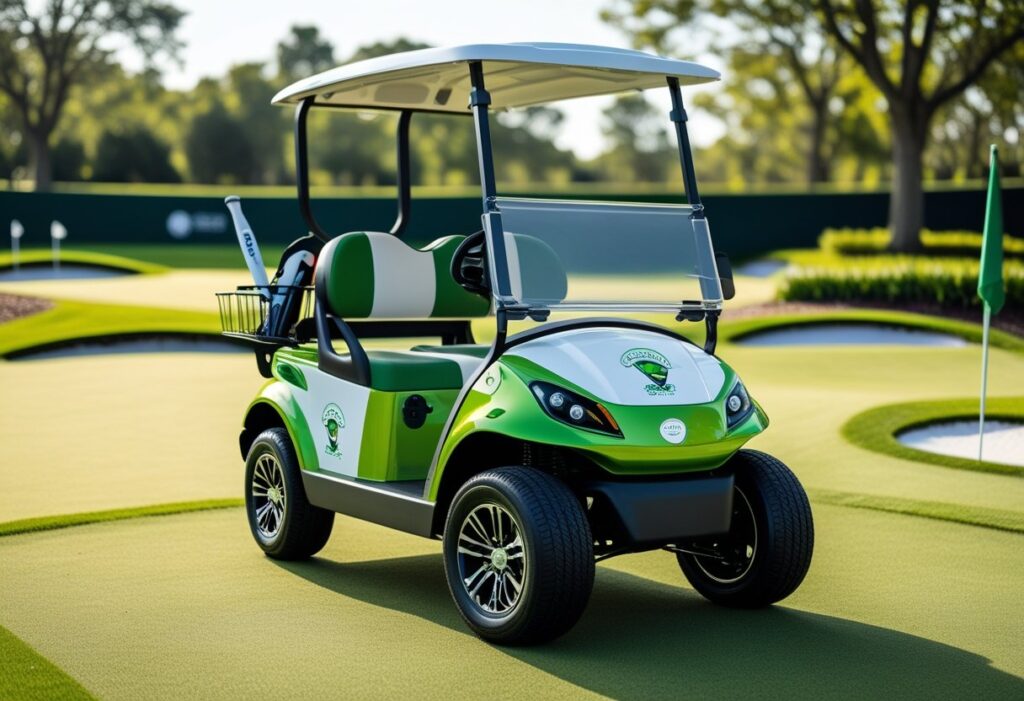
Cricket-style mini golf carts raise important questions about whether portable electric carts are legal to drive on public roads. Many owners want to know how state rules affect street use and what equipment a cart must have to qualify as a legal low-speed vehicle.
Cricket Carts Direct offers portable electric carts that fold for traveling and storage. This makes them especially appealing to RV owners, homeowners, and travelers. Their compact size and electric design make street-use questions especially relevant for drivers who want flexibility.
This guide explains what makes a mini golf cart street legal, how to review state and local requirements, and what equipment or registration you may need. You’ll learn how to check rules in your state and understand the steps for safe, compliant operation.
Understanding Cricket Mini Golf Carts
Cricket mini golf carts offer easy, portable electric transportation. They are lightweight, foldable, and come in different models with various power and size options. These carts are unique in their ability to fold for storage and travel, weighing between 400 and 475 pounds and fitting in tight spaces like RV bins and small SUVs.
You control the cart with standard golf cart features and benefit from a design that collapses quickly. These carts offer two to four seat options. The handlebar or steering wheel allows easy control, while the design supports quick folding in minutes.
Key Features and Specifications
Cricket mini golf carts balance power, portability, and comfort. They reach speeds of 13 to 17 mph, carry loads up to 600 pounds, and some models have full suspension for smoother rides over rough areas.
Standard 12-volt batteries or optional lithium batteries provide power for ranges up to 70 miles. Lithium batteries charge faster and last longer. Folded sizes range from about 50″x32″x28″ to 60″x38″x35″, making storage simple.
Other features include OEM parts for durability, a lifetime warranty, and accessories like seat belts, sound systems, and ramps for customization.
| Feature | Specification |
| Weight | 412–475 lbs |
| Folded Size | About 50″x32″x28″ – 60″x38″x35″ |
| Speed Range | 13–17 mph |
| Load Capacity | Up to 600 lbs |
| Battery Options | SLA 12-volt or lithium upgrade |
| Range | Up to 70 miles (lithium) |
Common Uses of Cricket Mini Golf Carts
You can use these carts in many ways. RV owners use them for transportation around campgrounds or parks. They fit easily in small vehicles, making them practical for trips and outdoor adventures.
Homeowners with limited garage space appreciate their collapsible design. Event operators and resort staff use them for efficient travel over large properties. Retirees and those seeking eco-friendly mobility enjoy them near home or on the go.
Street Legality of Mini Golf Carts in the United States
Your mini golf cart’s street legality depends on rules from the federal government, states, and local areas. These rules cover safety features, speed limits, and where you can drive. Understanding these details helps you know if your mini golf cart is allowed on public roads.
Federal Laws and Standards
Federal rules set basic safety standards for low-speed vehicles (LSVs), which include some mini golf carts if they meet certain conditions. Your cart must have headlights, taillights, turn signals, mirrors, seat belts, and a windshield.
LSVs are limited to roads with speed limits of 35 mph or less. Mini golf carts without these features or that exceed speed limits are generally not street legal under federal guidelines. You may need to modify your cart to meet these standards before using it on public roads.
Understanding Federal Low-Speed Vehicle Rules
Federal agencies outline the minimum rules a vehicle must meet before it can operate on public roads. According to the U.S. Department of Transportation, low-speed vehicles must include features that help protect occupants and ensure visibility in traffic.
These rules apply to electric vehicles that fall within certain speed ranges used in residential or local road environments. LSVs must stay within federal speed limits and operate only on roads posted at 35 mph or below. The rules also require lighting, reflectors, and seat belts.
Meeting these standards helps ensure mini golf carts remain safe in mixed-traffic settings. Drivers should review these requirements before planning any street use. Understanding federal rules helps you determine whether your cart qualifies as an LSV or needs additional equipment.
Definition of Street Legal Vehicles
A street-legal vehicle is allowed on public roads because it meets safety and operational requirements. For mini golf carts, this means being classified as an LSV or neighborhood electric vehicle (NEV).
- Maximum speed around 20-25 mph
- Proper lighting and signals
- Safety equipment like seat belts and mirrors
- Vehicle identification number (VIN) and registration
Without these features, your mini golf cart is typically not street legal.
State Versus Local Regulations
Each state has its own rules about golf carts, which can be more restrictive or lenient than federal laws. Some states allow golf carts only in certain areas or on roads with lower speed limits. Others require extra modifications or permits.
Local towns or counties might have further restrictions. Even if your mini golf cart meets federal standards, check your state and local laws. Contact your local transportation or motor vehicle department for specific rules where you live.
How to Check if Cricket Mini Golf Carts Are Street Legal in Your State
To find out if your mini golf cart is street legal, check state rules, local regulations, and document requirements. Reviewing these details helps you know where you can drive and what changes you might need.
Researching State DMV Guidelines
Visit your state’s DMV website and look for sections about low-speed vehicles (LSVs) or golf cart laws. These pages explain whether golf carts must meet speed limits, safety features, or registration rules to be street legal.
- Maximum allowed speed (often around 20-25 mph)
- Required safety features like lights and seat belts
- Registration or licensing requirements
Each state has its own rules, so reading your DMV’s information will clarify what your cart needs and if you can drive it on public roads.
Contacting Local Transportation Authorities
Local rules can affect whether you can use your mini golf cart on certain roads. City or county transportation offices set ordinances that may override or add to state laws. Contact your local office to ask about golf cart use on public streets.
- The type and model of your cart
- The intended areas of use, like neighborhoods or main roads
This step ensures you know if local rules permit street use or restrict carts to private property or designated zones.
Important Documentation and Permits
If your state and local authorities allow street use, you will likely need paperwork such as vehicle registration, a special permit, and insurance. Gather:
- Registration paperwork showing your cart meets safety standards
- Proof of insurance, if required
- Any permits needed to drive in your area
Keep these documents up to date to drive legally and avoid fines. Check renewal dates and requirements regularly to stay compliant.
Typical State Requirements for Street Legal Vehicles
To use your mini golf cart on public roads, you need to meet certain rules. These cover lighting, registration, safety, and where you can drive. Meeting these requirements ensures your cart is legal and safe for street use.
Lighting and Signal Requirements
Most states require your golf cart to have specific lighting, including headlights, taillights, brake lights, and turn signals. These lights help other drivers see you and know when you plan to turn or stop.
Reflectors are often needed on the front, rear, and sides. Some places may also require a horn or a windshield. Proper lighting lets you drive safely on roads and stay compliant with the law.
Registration and Insurance
Your golf cart must be registered with the state or local DMV to drive legally on public roads. This registration shows the cart meets safety and equipment standards.
Most states also require liability insurance. Insurance protects you and others if there’s an accident. You will get a license plate or permit specific to low-speed vehicles. Without registration and insurance, your cart is not street legal.
Safety Equipment Standards
To be street legal, your golf cart must have standard safety equipment. This includes seat belts, mirrors, and sometimes a windshield. Many states classify street-legal golf carts as Low-Speed Vehicles (LSVs).
Your cart may also need speed governors to limit speed, usually to around 20 to 25 mph. Safety standards focus on protecting you and others while driving in traffic or on designated streets.
Speed and Road Type Restrictions
Most state laws set a maximum speed limit for golf carts, commonly between 20 and 25 mph. Your mini golf cart meets these limits when properly equipped.
You can usually drive on roads with speed limits under 35 mph. Driving on highways or roads with higher speed limits is generally not allowed. Some areas restrict golf carts to certain neighborhoods, golf communities, or local streets only. Always check local rules to know where your cart is permitted.
Common Barriers to Legality for Cricket Mini Golf Carts
Several barriers may affect your ability to drive your mini golf cart on public roads. These include limits on size and speed, rules about emissions, and local zoning or community restrictions that vary by location.
Size and Speed Limitations
Many states require golf carts to meet specific size and speed standards before being allowed on public roads.
Street-legal golf carts must usually have a maximum speed between 20 and 25 mph. Cricket mini golf carts often have top speeds up to 13-17 mph, which may fall short of the required minimum for street use in some places.
The compact, collapsible frame is designed for portability, not high speed. This can be a problem if your state or local laws demand faster speeds to qualify as street legal. Dimensions like width and length may also affect road use, depending on lane size and traffic rules.
Check your state’s exact speed and size requirements before planning to drive your cart on streets, as meeting these standards is essential for legality.
Emission and Environmental Regulations
Emission standards generally apply less strictly to electric vehicles like mini-carts because they produce zero tailpipe emissions. However, some states still regulate electric and gas-powered carts differently under environmental laws.
If your cart uses lead-acid batteries or other components not meeting modern environmental standards, you might face restrictions. Upgrading to lithium batteries can help with compliance as they charge faster, last longer, and have a smaller environmental impact.
Verify local environmental rules around battery disposal, charging, and any emissions testing if applicable. Keeping your cart’s power system up to date supports both legality and eco-friendly use.
Zoning and Community Rules
Even if your mini golf cart meets size, speed, and emissions rules, local zoning laws and community regulations may still limit its legal use on public roads.
Neighborhoods, gated communities, and campsites often set their own restrictions about where golf carts can be driven—sometimes banning them from streets or limiting use to recreational areas only. HOA rules may also affect legal use.
You may need permission or special permits from local authorities or community managers to operate your cart legally. Check these local restrictions early to avoid surprises after purchase.
Consequences of Operating a Non-Street Legal Cricket Mini Golf Cart
If you operate a mini golf cart that is not street legal, you may face several risks. These include fines or penalties from law enforcement and complications with insurance coverage if an accident happens while driving. Understanding these issues helps you stay safe and avoid unnecessary costs.
Fines and Legal Penalties
Using a Cricket mini golf cart on public roads without proper street-legal modifications can lead to fines. These fines vary by state, often starting at $100 and increasing for repeated offenses.
Police may pull you over and could confiscate your golf cart if it does not meet safety standards. Driving a non-street-legal cart can result in citations for traffic violations, which might affect your driving record.
Some local laws include penalties like community service or court appearances. Always check your state and local rules before driving a mini golf cart on public streets.
Liability and Insurance Risks
If you cause an accident while driving a non-street-legal mini golf cart, your insurance may not cover damages or injuries. Many insurers require the vehicle to be registered and meet safety standards to approve claims.
Without proper insurance, you risk being personally responsible for repair costs, medical bills, and legal fees. This risk increases if you injure others or damage property.
Registering your cart as a low-speed vehicle (LSV), when allowed, can help protect you from these risks. Insurance companies may require this classification to offer coverage, so check with your insurer before driving on public roads.
Modifying Cricket Mini Golf Carts for Street Use
To make your Cricket mini golf cart street legal, add specific safety features and meet local regulations. Install the right equipment, get professional approval, and pass safety checks to ensure your cart is safe and legal on public roads.
Aftermarket Kits and Upgrades
Equip your cart with the required features to meet street-legal standards. These often include:
- Headlights and taillights
- Turn signals
- Rearview mirrors
- Horn
- Seat belts
You can add many of these upgrades using approved aftermarket kits made for electric golf carts. For safety and compliance, use parts designed for your specific model. Some states also require speed governors or reflectors. Upgrading your cart with these features improves visibility and protects you while driving on public roads.
Professional Inspections
Before you register your modified cart for street use, it usually must pass a professional inspection. A qualified mechanic or local vehicle inspector will check if your cart meets all safety and equipment standards. Inspections often verify lights, brakes, tires, and the electric system’s condition.
This step ensures your cart operates safely at the speeds allowed in your area and confirms that all modifications comply with local laws. Passing the inspection helps you avoid future fines or legal issues related to unsafe equipment.
Passing Local Safety Inspections
After professional approval, your Cricket cart must pass local safety inspections before you can drive it on public roads. Requirements vary between cities and states, but generally cover:
- Confirming all safety features are installed and working
- Checking that speed and braking meet legal limits
- Verifying registration and insurance paperwork
You may need to visit your local Department of Motor Vehicles (DMV) or another agency to complete the registration process. Keeping up with ongoing inspections is key to maintaining your Cricket mini golf cart’s street-legal status. This step allows you to enjoy your cart with full legal protection on approved roadways.
Important Considerations Before Driving Mini Golf Carts on Public Roads
Before driving your mini golf cart on public roads, check if it’s legal in your state or local area. Golf cart laws vary and may require special permits or have restrictions on where you can drive.
Your cart must meet safety rules to be street-legal. This usually means adding headlights, turn signals, mirrors, and seat belts. Without these features, you may not be allowed to drive on public streets.
Speed limits for golf carts typically max out at 15 mph. Since some carts can reach up to 17 mph with upgrades, make sure you follow local speed limits to avoid fines or accidents.
Some places require insurance for golf carts. Check if your state requires you to have coverage, similar to regular vehicles.
Key points to consider:
- Safety equipment: headlights, mirrors, turn signals
- Speed restrictions: usually limited to 15 mph
- Insurance and registration: check state requirements
- Where to drive: not all public roads allow golf carts
Review local laws before driving your mini golf cart outside private property. Following the rules keeps you safe and compliant with regulations.
What This Means for Your Road Use
Street legality for mini golf carts depends on clear rules that outline equipment, speed, and roadway access. Knowing these details helps you understand whether your cart qualifies as an LSV and what steps you must take to drive it safely on public streets.
Cricket Carts Direct offers lightweight, collapsible electric carts for portable mobility. The carts are easy to transport and can be stored in small spaces. Their portability, warranty options, and quick shipping help owners feel confident about using their carts wherever allowed.
If you want to explore legal street use, review your state and local rules, confirm required equipment, and follow registration steps before driving. Build Your Cricket Today and begin your path toward compliant electric mobility.
Frequently Asked Questions
Are mini golf carts street legal in my state?
Street legality depends on your state’s rules for low-speed vehicles, required safety equipment, and local road restrictions. Some areas permit electric carts on roads under certain speed limits, while others require additional equipment or permits.
What equipment makes a mini golf cart street legal?
Most states require headlights, taillights, turn signals, mirrors, seat belts, and reflectors. Some also require a windshield, VIN assignment, and inspection to qualify as a legal low-speed vehicle.
Do I need permits or registration to drive my mini golf cart on public roads?
Some states require registration, insurance, and local permits before a mini golf cart can be driven on public roads. Local ordinances may also add rules for where carts can operate.
