
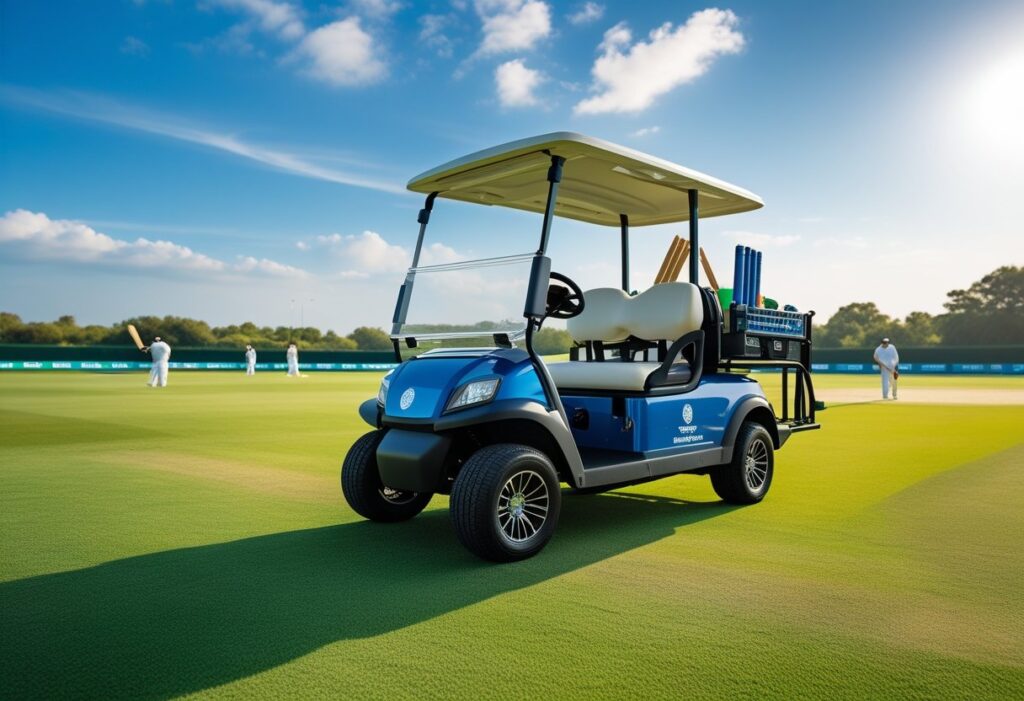
Understanding how long Cricket golf cart batteries last helps you avoid surprise downtime and plan for replacements before failures occur. Battery lifespan depends on type, usage, and care, so knowing the basics keeps your cart reliable and ready to roll.
Cricket Carts Direct offers carts designed for long-term use with battery options that balance lifespan, performance, and portability. Choosing the right pack and caring for it properly lets you enjoy more time on the move and less time worrying about power.
In this article, you’ll learn how long different battery types typically last, what replacement costs to expect, and how maintenance, climate, and usage patterns affect performance. You’ll also see how to decide between lead-acid and lithium options based on your budget and driving habits.
Average Lifespan of Cricket Golf Cart Batteries
Your Cricket golf cart’s battery life depends on the type you choose and how well you maintain it. Factors like lifespan, usage, and maintenance help you avoid sudden downtime and costly repairs.
Typical Battery Life Expectancy
Standard sealed lead-acid (SLA) batteries in Cricket golf carts usually last 3 to 5 years with regular use. Upgrading to lithium batteries gives you about 10 years of service. Lithium batteries charge faster, hold power longer, and require less maintenance.
Charge cycles, temperature, and storage conditions affect battery life. For example, lithium batteries hold their charge well even after months without use, while lead-acid batteries may lose capacity faster if left discharged or stored improperly. Knowing your battery type helps set realistic expectations for replacement timing.
Factors Influencing Battery Longevity
How often and how you use your cart shapes battery life. Frequent deep discharges, overcharging, or undercharging reduce battery health. Proper maintenance, like cleaning terminals and avoiding extreme temperatures, extends battery life. Lithium batteries are more forgiving but still benefit from good care.
Charging habits matter. Charging the battery fully after every use and storing the cart in a cool, dry place helps preserve power. Avoid letting lead-acid batteries sit without charge, or their lifespan will shorten significantly.
Signs That Indicate Battery Wear
You’ll notice battery issues when your Cricket golf cart struggles to run or holds less charge. Common signs include:
- Reduced driving range per charge
- Longer charging times
- Slower acceleration or power dips
- Dim lights or electronic glitches
If your battery won’t hold a charge for more than a few hours or fails to reach full charge, it’s time to replace it. With lithium upgrades, many of these symptoms appear later than with standard batteries, giving you longer worry-free use. Pay attention to how your cart performs regularly to catch battery wear early.
Replacement Cost for Cricket Golf Cart Batteries
Replacing your Cricket golf cart battery involves several cost factors. You will want to know the typical price range, what parts and labor contribute to the total, and where to purchase batteries that meet your cart’s specifications.
Price Range for Battery Replacement
Cricket golf carts mainly use deep-cycle sealed lead-acid (SLA) or lithium batteries. The price for replacing a standard SLA battery pack usually falls between $500 and $1,200. Lithium battery upgrades cost more, ranging from $1,200 up to $2,500, depending on battery size and capacity.
The size of your Cricket model and your usage needs can affect these prices. Lithium batteries offer longer life and faster charging but come at a higher upfront cost. Lead-acid batteries are more affordable initially but may require replacement more often.
Cost Breakdown: Parts and Labor
Most of your cost comes from the batteries themselves. Expect battery parts to make up 80-90% of the total cost. Labor charges vary based on your location and if you use a local dealer or technician, typically ranging from $50 to $150 to remove old batteries and install replacements safely.
If you buy batteries directly and install them yourself, you can save on labor. Additional costs might include battery chargers compatible with your chosen battery type. Lithium battery packs sometimes need a charger upgrade, which can add $100-$300.
Where to Buy Replacement Batteries
For the best fit and warranty coverage, buy replacement batteries directly from your Cricket cart dealer or their authorized network. This guarantees you receive OEM batteries that meet exact specifications for your model.
Online purchase options through Cricket’s dealer are reliable and offer nationwide shipping, usually delivered within 3 days. You’ll also benefit from a lifetime customer care warranty on your batteries when purchased through official channels.
Avoid third-party sellers to prevent compatibility or quality issues. Buying directly ensures you maintain your cart’s reliability and performance.
Types of Batteries Used in Cricket Golf Carts
Choosing the right battery affects how far and how long your Cricket golf cart will run. You’ll mainly pick between lead-acid and lithium-ion batteries, each with different costs, weight, and lifespan.
Lead-Acid vs. Lithium-Ion Batteries
Lead-acid batteries are the standard option. They usually run at 12 or 24 volts and are heavier, which adds weight to your cart. These batteries cost less upfront but need regular maintenance, like checking water levels and cleaning terminals. Their lifespan is typically 4 to 6 years with good care.
Lithium-ion batteries, especially LiFePO4 types, are lighter—cutting weight by about 60%. This makes your cart easier to handle and store.
They last 2 to 3 times longer than lead-acid batteries and hold a charge for up to six months without use. Lithium batteries also charge faster, saving you time between uses, but they come at a higher price point.
Pros and Cons of Different Battery Types
Lead-Acid Batteries:
- Pros: Lower initial cost. Widely available. Proven technology.
- Cons: Heavier and bulkier. Require regular care. Shorter lifespan.
Lithium-Ion Batteries:
- Pros: Lightweight and portable. Longer lifespan (up to 10 years). Fast charging. Low maintenance. Hold the charge well during storage.
- Cons: Higher upfront cost.
When you choose, consider how often you’ll use your Cricket cart and how much weight you need to handle. Lithium batteries add convenience if you want longer rides and less upkeep, while lead-acid keeps costs lower if you don’t mind more maintenance.
Maintenance Practices to Extend Battery Life
Proper care keeps your Cricket golf cart battery working longer and saves you money over time. Focus on the right charging habits and storing your cart safely when not in use. These simple steps help avoid common battery problems and make sure your cart is ready to go whenever you need it.
Charging Recommendations
Always use the charger designed for your Cricket golf cart battery. Charging with the correct voltage and current prevents damage and extends battery life. Avoid letting your battery fully drain. Charge it soon after use, ideally within a few hours.
This helps maintain optimal power and prevents deep discharge, which can shorten battery lifespan. Do not overcharge. Once the battery reaches full charge, unplug the charger to avoid heat build-up and battery wear.
If your lithium upgrade battery is in use, charge it after every ride for the best performance. Lithium batteries need less frequent maintenance but still require correct charging to reach their 10-year lifespan.
Safe Storage Practices
Store your cart and battery in a cool, dry place away from direct sunlight and extreme temperatures. Heat and cold can reduce battery performance and longevity. If you won’t use your Cricket for a while, charge the battery fully before storage. Check and recharge it every 1-2 months to prevent it from losing power completely.
Keep battery terminals clean and dry. Wipe them with a dry cloth to remove any dust or corrosion. This ensures a strong connection and better charging. Folding your Cricket cart for storage protects the battery and makes it easy to carry or fit into tight spaces. Take advantage of the collapsible design for safe, compact storage.
Environmental and Usage Factors Affecting Battery Performance
Your Cricket golf cart battery’s life depends a lot on the environment and how you use it. Temperature and riding habits can change how well your battery works and how long it lasts.
Impact of Climate Conditions
Extreme temperatures affect battery power. Cold weather below 32°F slows down the battery’s chemical reactions, cutting efficiency by 30-50%. Heat above 95°F also harms the battery, speeding up chemical damage called sulfation. Lithium batteries benefit from built-in systems to keep the battery between 50°F and 86°F, helping maintain performance.
If you often use your cart in very hot or cold places, charge it more carefully and check the battery more often to avoid early damage.
Effects of Usage Patterns
How often and how hard you use your Cricket cart matters. Heavy use, like long rides or carrying heavy loads regularly, drains the battery faster. Charging habits also influence battery life. Avoid leaving the battery discharged for long periods.
Fully charge your battery after each use, and store it in a dry, temperate place when not in use. Maintenance, like cleaning terminals and checking water levels on lead-acid batteries, helps. For lithium upgrades, following charging instructions precisely gives you the most miles and years from your battery.
A well-maintained battery typically lasts 4-6 years for lead-acid and up to 10 years for lithium options. Your care directly affects this lifespan.
Warranty and Service Options for Battery Replacement
When you buy a Cricket golf cart, your battery comes with a warranty that protects your investment. The length of this warranty depends on the battery type you choose.
| Battery Type | Warranty Length |
| Sealed Lead-Acid AGM Battery | 6 months |
| Lithium Battery Set (3-unit) | 1 year |
| Single Lithium Battery Kit | Up to 5 years |
You must register your cart and battery within 90 days of purchase to get the full warranty coverage. Without registration, your warranty will be limited to one year for the cart and battery.
If any battery issues arise during the warranty period, you can contact Cricket Mini Golf Carts directly. They offer support by shipping parts to you or setting up repairs through an authorized service center. You can reach them at 1-888-RX5-CART or visit their website.
Take advantage of nationwide shipping within three days and enjoy straightforward warranty service when it’s time for a battery replacement. Your cart’s performance and your peace of mind are backed by clear service options made for your convenience.
Comparing Costs: DIY vs. Professional Battery Replacement
When you replace your golf cart battery, you have two main options: do it yourself or hire a professional.
DIY replacement often saves you 30-50% by cutting out labor costs. You pay for the battery and any tools you might need. Special tools and diagnostic equipment can add $50 to $200 to your expenses. Mistakes during installation could lead to repairs, which might raise your costs.
Professional replacement costs more upfront because you pay for labor. For a set of batteries, expect to pay between $600 and $2,500, depending on battery type and quantity. Professionals provide expert service and use OEM parts to keep your cart running smoothly. This lowers the chance of errors and helps maintain your cart’s condition.
| Cost Factor | DIY | Professional |
| Battery Price | $600 to $2,500 | Included |
| Labor Costs | $0 | $100 – $500+ |
| Tools/Equipment | $50 – $200 (one-time) | Included |
| Risk of Errors | Higher | Very Low |
| Warranty on Service | Limited or none | Usually included |
Choose DIY if you feel comfortable with mechanical tasks and have the right tools. If not, professional service offers peace of mind and expert care for your investment. Using OEM batteries designed for your cart gives you the best performance and durability.
Planning Your Cricket Golf Cart Battery for the Long Term
Understanding how long Cricket golf cart batteries last and what replacements cost helps you plan ahead with confidence. By knowing the differences between lead-acid and lithium packs, you can balance upfront price, lifespan, and maintenance needs for your style of use.
Cricket Carts Direct supports that by planning with carts designed around portable power, flexible battery options, and fast nationwide shipping. Their focus on portability, OEM components, and clear warranty terms helps you protect both your budget and your cart’s performance.
As you consider your next battery, look closely at lifespan expectations, care routines, and replacement prices to choose the best match. Build your Cricket today and enjoy reliable power that keeps up with every trip, property run, or weekend adventure.
Frequently Asked Questions
How long do Cricket golf cart batteries typically last?
Standard sealed lead-acid batteries in Cricket golf carts usually last about 3 to 5 years, while upgraded lithium batteries can last close to 10 years when charged and stored correctly.
How much does it cost to replace Cricket golf cart batteries?
Replacement costs for Cricket golf cart batteries typically range from about $500 to $1,200 for sealed lead-acid packs and from about $1,200 up to $2,500 for lithium batteries, depending on size and capacity.
What factors affect Cricket golf cart battery lifespan?
Battery lifespan depends on type, charge cycles, temperature, storage conditions, and maintenance. Proper charging habits, clean terminals, and cool, dry storage help both lead-acid and lithium batteries last longer.
