
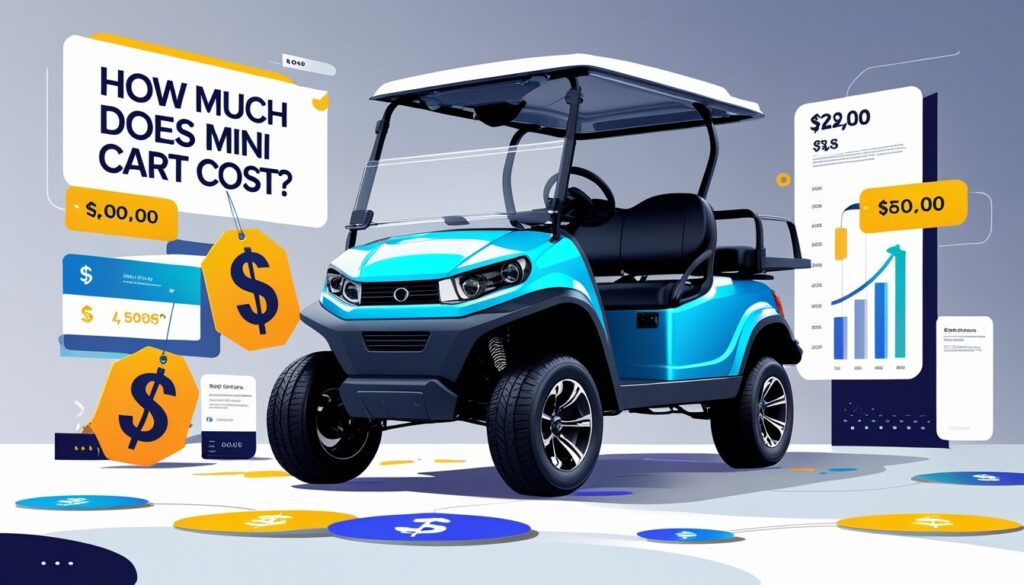
Buying a mini golf cart doesn’t have to be confusing or costly. Whether you want a foldable travel cart, a compact electric ride, or a small utility model, understanding what drives pricing helps you get the most value for your money.
At Cricket Carts Direct, each mini cart combines portability, reliability, and electric efficiency. Knowing how battery type, seating capacity, and performance features influence price helps you choose confidently—without overpaying for extras you don’t need.
This guide breaks down real-world price ranges, key cost factors, and insider tips for comparing models, warranties, and sellers so you can pick the right cart for your budget and lifestyle.
Mini Golf Cart Cost Overview
Mini golf carts come in many styles and price points. Expect small foldable units under $1,000,
compact electric carts in the $2,000–$7,500 range, and high‑power short‑course models above
$7,500. Key cost drivers include battery type, motor power, and whether the cart is new or used.
You can expect to pay anywhere from a few hundred dollars for a simple foldable model up to $15,000 or more for high‑end motorized mini carts, but most new compact electric minis fall between about $800 and $7,500. If you want a quick rule: budget $300–$2,500 for basic and ultra‑portable options, $2,500–$7,500 for mid‑range compact electrics, and $7,500+ for premium short‑course or heavy‑duty models.
This post covers the price ranges, the kinds of mini carts that match each price band, and the key features that push cost up or down — like battery type, motor power, and portability.
You’ll learn where to save, when to spend, and practical tips for buying new or used so your budget buys the right mix of range, speed, and durability.
Keep reading to compare models, spot hidden costs, and find the best place to buy based on your use — whether you need a lightweight travel cart, a workhorse for property runs, or a sporty short‑course option.
Mini Golf Cart Cost Overview
Mini golf carts come in many styles and price points. Expect small foldable units under $1,000, compact electric carts in the $2,000–$7,500 range, and high‑power short‑course models above $7,500. Key cost drivers include battery type, motor power, and whether the cart is new or used.
New and Used Mini Golf Cart Price Ranges
New mini golf carts typically start around $800 for very basic foldable or entry-level electric models. Mid‑range new compact electrics commonly cost $2,500–$7,500, with lithium batteries and stronger motors pushing the price higher.
Premium new models — full suspension, 3–5 kW motors, weather enclosures — often run $7,500–$18,000+. Used mini golf carts can save you money, but carry risks. Expect entry used units from $300–$1,500. Mid‑range used compact carts usually sell for $1,200–$4,000.
Premium used resort or fleet carts may fall in the $4,000–$12,000 range. Key used‑buy checks: battery health, service records, and a test drive to confirm speed and brakes.
Mini Golf Cart Pricing vs. Regular Golf Carts
Mini golf carts cost less than full‑size golf carts in most cases. Full‑size new golf carts usually range $5,000–$20,000 depending on brand and features. Mini carts under $3,000 suit short trips and light hauling, while full‑size carts offer higher payload, seating, and accessories at a premium.
Compare features, not just price. A $3,000 mini cart with a lithium pack can match the range of a $6,000 lead‑acid full‑size cart for short routes. Full‑size carts often include heavier frames, larger batteries, and stronger motors for sustained loads and passenger comfort, which raises long‑term value and resale price.
How Seating Capacity Affects Price
Seating capacity changes the chassis, motor size, and battery needs — and that changes price. Single‑seat or small foldable mini carts (1 person) often cost $300–$1,200. Two‑seat compact mini carts typically sit in the $1,200–$5,000 band, depending on power and battery type.
Four‑seat or passenger‑rated mini carts require stronger frames, bigger batteries, and higher‑power motors.
Those models commonly start around $4,000 used and $7,500 new, with premium versions above $12,000. If you plan to carry passengers regularly, budget for heavier suspension, better brakes, and possibly a weather cab, which adds $500–$2,000 to the base price.
Types of Mini Golf Carts and Key Price Factors
Mini carts vary by powertrain, portability, and purpose. Expect price differences driven by motor size, battery chemistry, build quality, and whether the cart folds for transport. Know the trade-offs so you can match cost to how you’ll use the cart.
Electric vs. Gas Mini Golf Carts
Electric mini golf carts use batteries and motors. A small electric golf cart with lead‑acid batteries often sits in the $800–$3,000 range new. Upgrading to lithium (longer life, lighter weight) raises the price by roughly 2–4× but cuts ongoing charging and replacement costs.
Electric carts give quieter operation, low maintenance, and instant torque—good for neighborhoods, resorts, and light hauling. Examples include compact models and niche units like the Kandi Mini, which target low cost and city use.
Gas mini carts cost more to run and maintain. They often suit heavy hauling or remote work where refueling beats long charging.
Expect higher initial prices for robust gas models and extra costs for fuel, oil changes, and exhaust upkeep. Choose gas if you need strong torque and fast refueling; choose electric for low noise, lower service bills, and cleaner operation.
Push/Pull vs. Motorized Models
Push/pull caddies and manual trolleys cost the least and are highly portable. Basic push carts start under $200. They work if you only need to move a bag and don’t need a passenger or heavy cargo.
Manual options include foldable three‑wheel designs and lightweight two‑wheel models. Motorized mini golf carts add power and speed. Entry motorized units cost from $700 for ultra-portable scooters to $2,000–$7,500 for compact carts like TrailMini models.
Higher‑end motorized short‑course units (SprintShort style or Quickie mini race types) push prices above $5,000 due to bigger motors, suspension, and safety gear.
Consider payload and terrain. If you plan to carry passengers or climb hills, pick a motorized model with at least 1.5–3 kW. If you only need simple transport on flat ground, a push/pull or small electric cart will save money.
Foldable and Portable Designs
Foldable and portable mini carts prioritize low weight and compact storage. Prices vary from about $300 for basic foldables to $2,500 for higher‑end portable electrics. You’ll pay more for quick‑release batteries, aluminum frames, and tight folding mechanisms.
Portable designs (like ultra‑light three‑wheel push carts) make travel easy; they often weigh under 30 lbs and fit in a car trunk.
Electric foldables with 250–1,000 W motors give speeds of 6–12 mph and a usable range of 4–20 miles, depending on battery type. Look for specs: weight, folded dimensions, battery Wh, and max payload.
If you need to move the cart by hand or store it inside, prioritize folding, removable batteries, and a low curb weight. If durability and power matter more, a heavier compact electric or small gas unit will cost more but last longer.
Popular Mini Golf Cart Brands and Models
You’ll find options that vary by price, size, and how they fold or carry cargo. Some focus on compact portability, others on passenger capacity or range.
Club Car Mini Golf Cart
Club Car makes small, reliable carts used at resorts and campuses. You can expect sturdy steel frames, simple controls, and parts that are easy to service. Many Club Car mini models use lead-acid or lithium batteries; lithium upgrades give you longer range and lighter weight.
Speeds tend to range from 12–19 mph, depending on motor and gearing. Seating can be two to four people, and accessories include weather enclosures, cargo racks, and LED lights. If you need dealer support and widespread parts availability, Club Car is a solid choice.
Quickie Mini Golf Cart
Quickie focuses on ultra-compact, lightweight designs for tight storage and easy towing. These models often fold or collapse to fit in small trunks or RV storage bays. You’ll see simple control layouts and handlebar or compact steering wheel options.
Range and speed are modest—typically suited for short trips around campgrounds, marinas, or private property. Battery types vary, so check if the model includes lithium cells for better range and lower weight. Quickie is best when portability and low cost matter most.
SX3 and RX5 Mini Carts
The SX3 is a compact two-seat version with a lower folded height for easy transport. It’s light and simple, great for solo users or couples who need something very portable.
The RX5 seats up to four and uses four-wheel suspension for smoother rides over rough terrain. It carries more weight and offers a higher load capacity, making it better for families or hauling gear. Both models collapse for storage and come with optional upgrades like lithium batteries and custom wheels.
Kandi Mini Golf Cart Overview
The Kandi Mini targets buyers who want a very affordable, small electric cart. It often sells for less than many traditional mini carts while still giving basic road or property use. The Kandi Mini emphasizes easy charging, compact storage, and straightforward maintenance.
Expect two-seat configurations and modest top speeds suitable for neighborhoods, campsites, and short property runs. Battery range depends on the pack you choose; lithium options deliver the biggest gains. If price and simple utility are your priorities, the Kandi Mini is worth a close look.
Essential Features Impacting Mini Golf Cart Cost
These features change the price by hundreds to thousands of dollars. Focus on brake and suspension type, weather protection, and lighting or safety gear when you set a budget.
Hydraulic Disc Brakes and Suspension Systems
Hydraulic disc brakes cost more than mechanical drum or cable brakes, but they give you stronger, more consistent stopping power. You’ll pay extra for a sealed hydraulic system, a master cylinder, and brake calipers.
Expect $200–$800 added to the cart price for factory-installed hydraulic discs versus basic brakes. Front and rear suspension choices also move the price. Basic leaf or solid-axle setups are cheaper and fine for flat courses.
Independent front suspension or full four‑corner shocks improve comfort and let the cart handle heavier loads. Those upgrades typically add $300–$1,500, depending on parts and tuning.
When you combine hydraulic discs with upgraded suspension, you get better control on hills and rough ground. That combination increases resale value and reduces brake fade on repeated stops, which matters if you carry passengers or cargo often.
Windshields and Hard Top Roofs
A folding or fixed windshield is a common add-on that costs $80–$400. Acrylic or polycarbonate windshields protect you from wind and rain; tinted or flip-up styles cost more. Look for UV-resistant material and good mounting brackets so the windshield won’t rattle.
Hard top roofs and full enclosures add both comfort and price. A simple hard top runs $150–$600 installed. A full metal or molded hard roof with integrated mounting for lights and storage can add $600–$2,000.
If you want a windshield, roof, and side enclosures together, expect bundle discounts from some dealers but a higher overall cost.
Think about storage and mounting points. Hard tops let you add cargo racks, speakers, or heating kits later. Those options increase utility but also increase final purchase and installation costs.
Lighting and Safety Upgrades
Brake lights, headlights, and turn signals are safety essentials that often become legal requirements on street-legal carts. A basic lighting package with LED headlights and rear brake lights costs $100–$400. Adding turn signals, hazard lights, and a horn can push that to $300–$900.
Safety packages often include reflectors, side mirrors, and a rear taillight assembly. These items improve visibility at dusk and in bad weather. Some packages include a brake light tied to the hydraulic system for quicker activation, or a battery-backed emergency light.
If you plan to drive near roads or on resort property at night, choose LED fixtures and sealed wiring. Those choices cost more up front but last longer and reduce maintenance bills.
Where to Buy and Practical Buying Tips
You’ll want options that match your budget, timeline, and service needs. Focus on dealers for local support, use online shops to compare models and prices, and check restocking fees and warranties before you commit.
Authorized Golf Cart Dealer Advantages
Buying from a licensed golf cart dealer gives you in-person help and local service. Dealers usually offer test drives, showrooms, and fleet models you can inspect. They handle registration, titles, and local regulations in many states, saving you paperwork.
Dealers also sell factory warranties and dealer-backed service plans. That matters if you need battery diagnostics, controller programming, or parts after purchase. Ask about loaner carts or rental discounts while yours is being repaired.
Negotiate on accessories and delivery. Dealers commonly bundle chargers, windshield kits, and roofs. Get the final price in writing, including any dealer prep or handling fees.
Online Mini Golf Cart Shopping
Shopping online lets you compare prices fast across brands like Club Car, EZ‑GO, and smaller mini-cart makers. Look for detailed specs: motor kW, battery chemistry, payload, and exact dimensions. Read photo-rich listings and seller return policies.
Buy from retailers with clear shipping and assembly terms. Some models arrive partially assembled, so check who pays for assembly and who handles damage claims. Use secure payment and keep receipts for warranty registration.
Check seller reviews and ask for VIN or serial numbers for used carts. That helps you confirm maintenance records and avoid hidden issues. If cost is a top concern, online marketplaces can yield bargains, but factor in shipping and local pickup logistics.
Restocking Fee and Warranty Considerations
Always ask about restocking fees before you buy. Many sellers charge 10–25% if you return a new cart that’s already been prepared or titled. Restocking fees can apply to accessories, too, so verify return windows and condition rules.
Confirm warranty coverage in writing. Warranties should list battery type, motor, controller, and frame terms with durations and claim procedures. Check whether warranty work requires dealer service or if you can use an independent repair shop.
Keep documentation: sales invoice, warranty card, and any service logs. These records speed up claims and protect you if the seller tries to apply a restocking fee unfairly.
Warranty Protection and Battery Lifespan
Lithium batteries often come with longer warranties than lead-acid types because of their extended cycle life and reliability. Consumer Reports notes that lithium packs can last 8–12 years with proper charging, compared with 3–6 years for conventional lead-acid options.
Confirm that your warranty covers both the battery and controller, since these are the most expensive components to replace.
Get the Right Cart Without Overspending
Choosing the right mini golf cart means balancing your budget with performance and reliability. Small upgrades—like lithium batteries, disc brakes, and weather protection—often pay off in the long run through lower maintenance and improved safety.
Every model at Cricket Carts Direct is designed for easy ownership, smart energy use, and dependable mobility. With transparent pricing and nationwide support, you can shop confidently knowing you’re investing in lasting value.
Compare models, explore financing options, or reach out to our team to learn which cart fits your budget and lifestyle best.
Frequently Asked Questions
You’ll find price ranges, where to buy, used options, and the common names for compact carts. Expect specific numbers for new and used carts and quick tips on where to look.
What’s the average price range for a small golf cart?
Small new electric mini golf carts usually cost between $8,000 and $12,000. Premium or street-legal mini carts can push toward $20,000 or more.
Where can I find a mini golf cart for sale in my area?
Check local dealers for brands like Club Car, E-Z-GO, and Evolution. Also, look at classifieds, Facebook Marketplace, and local golf course or resort bulletin boards.
Can I buy a used mini golf cart for less than $5,000?
Yes. Used mini carts under $5,000 are common, especially older lead-acid models. Inspect the battery condition, motor, and frame before you buy.
What should I expect to pay for a mini golf cart suitable for adults?
For an adult-ready mini cart with good range and build, plan on $9,000–$15,000 for new models. Lithium batteries and street-legal features increase the price.
Are there any secondhand mini golf carts available for purchase?
You can find secondhand carts at pawn shops, auction sites, and local dealers that refurbish units. Ask for maintenance records and a test drive.
What are compact golf carts typically called?
People call them mini golf carts, neighborhood electric vehicles (NEVs), low-speed vehicles (LSVs), or compact golf carts. The exact name depends on features like speed and street-legal status.
